
Blanco County Unclaimed Funds
Blanco County residents may have unclaimed money held by the Texas Comptroller through the free state program at ClaimItTexas.gov. Local banks, insurers, employers, and other businesses in Blanco County report dormant funds to the state when owners cannot be located. Johnson City, Blanco, and all communities in this Hill Country county are covered. This page explains where to search, what property types show up most in this county, and how to file a free claim to get your money back.
Blanco County Overview
Searching Blanco County Unclaimed Property
The ClaimItTexas.gov portal is the right place to start. Run by the Texas Comptroller of Public Accounts, it covers all unclaimed property reported from Texas holders, including those in Blanco County. Enter any name to see what the state holds. No account is needed, and the search is free.
Most property becomes presumed abandoned after three years under Texas Property Code § 72.101. Blanco County banks, insurance companies, and other businesses must then transfer those funds to the state. Blanco County has grown as people move to the Hill Country from Austin and San Antonio. That pattern creates a specific type of unclaimed property: accounts and deposits opened by part-time or new residents who later move on without closing their local financial relationships.
Under Texas Property Code § 74.101, holders must report to the Comptroller by July 1 each year. That means new Blanco County property enters the state system annually.
The ClaimItTexas portal covers all unclaimed property reported from Blanco County institutions.
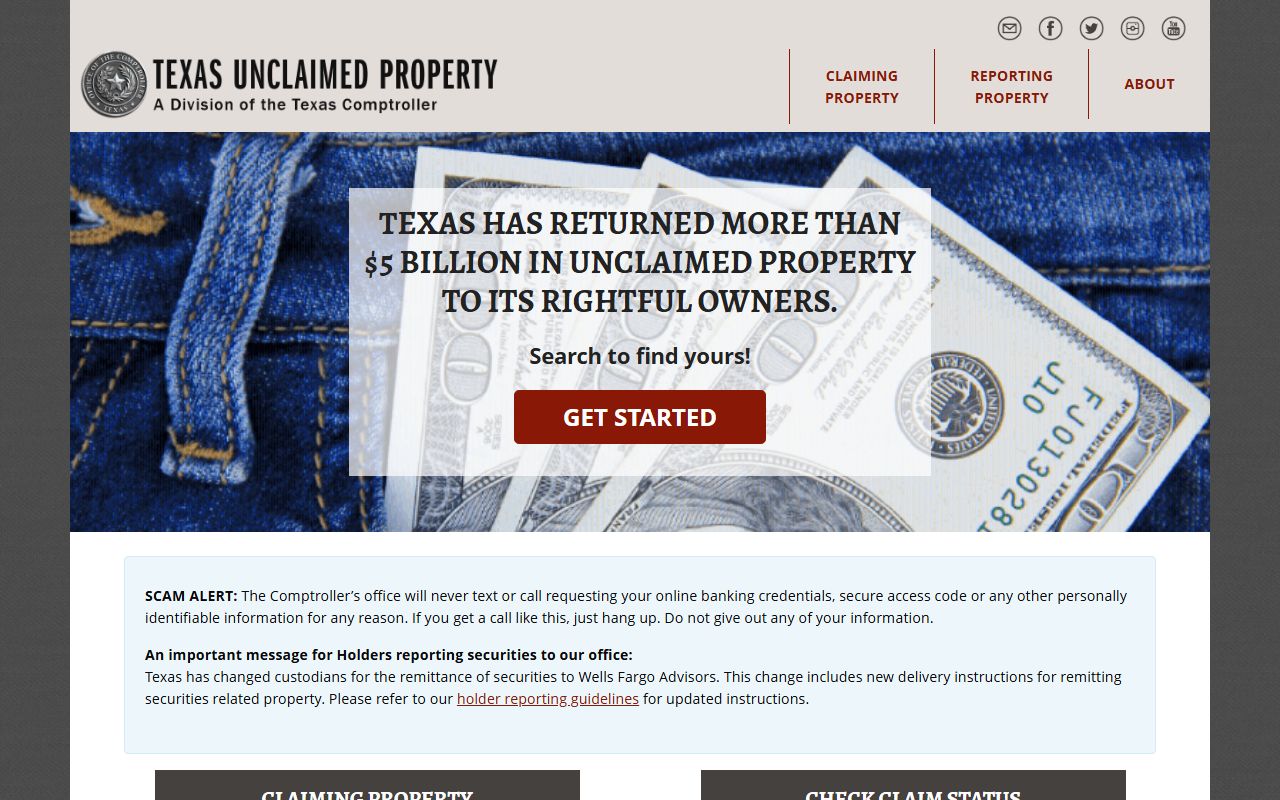
After finding a match, you can start the claim on the site or call 800-321-2274 for help from the Unclaimed Property Division.
Blanco County Clerk and Local Resources
The Blanco County Clerk in Johnson City maintains official county records including deed instruments and mineral filings. The clerk can be reached at 830-868-7357. The county website at co.blanco.tx.us has contact information for all county offices. Deed records at the clerk's office are useful when tracing the ownership history behind a property listed in the state unclaimed property system.
Blanco County draws retirees and part-time residents from Austin and San Antonio who may have utility deposits, bank accounts, or insurance policies tied to property in the county. When those relationships end without proper closure, the funds can end up in the state program. If you own or have owned property in Blanco County and have moved on, a search under your name is worth a few minutes of your time.
The official Blanco County website provides access to the clerk and all county departments.
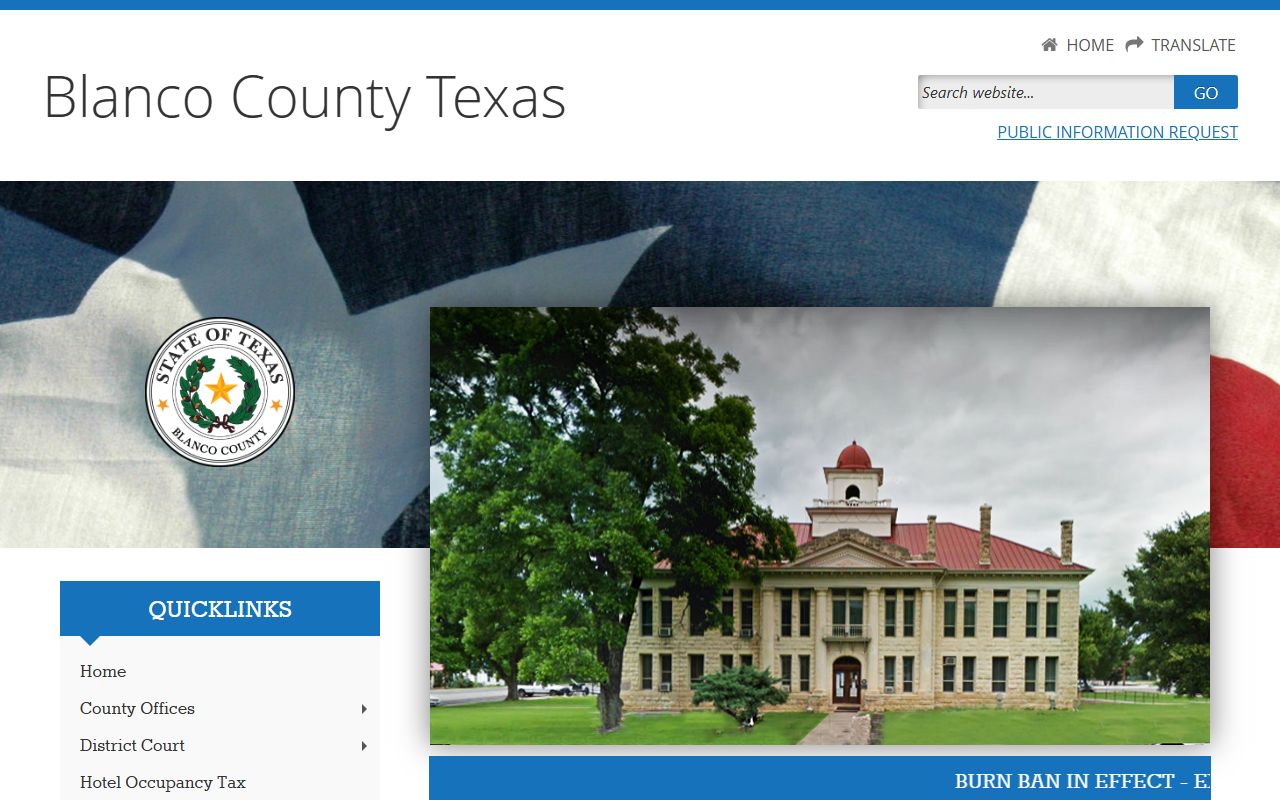
The County Clerk in Johnson City records deeds and mineral instruments that can be helpful when tracing property tied to unclaimed money in the state system.
Texas Property Code and Blanco County Rules
The Texas Property Code Chapter 76 sets rules for how counties handle small unclaimed amounts. Under § 76.201, Blanco County may retain property valued at $100 or less locally rather than transferring it to the state. Residents with small unclaimed amounts should contact the county treasurer to see if any locally held funds apply to them.
The three-year dormancy period under § 72.101 covers most property types. Wages have a shorter one-year window under § 72.1015. The annual July 1 reporting deadline ensures that new property from Blanco County enters the state system every year.
Texas Property Code Chapter 76 sets the framework that governs how counties handle small amounts of unclaimed property before or instead of transferring them to the state program.
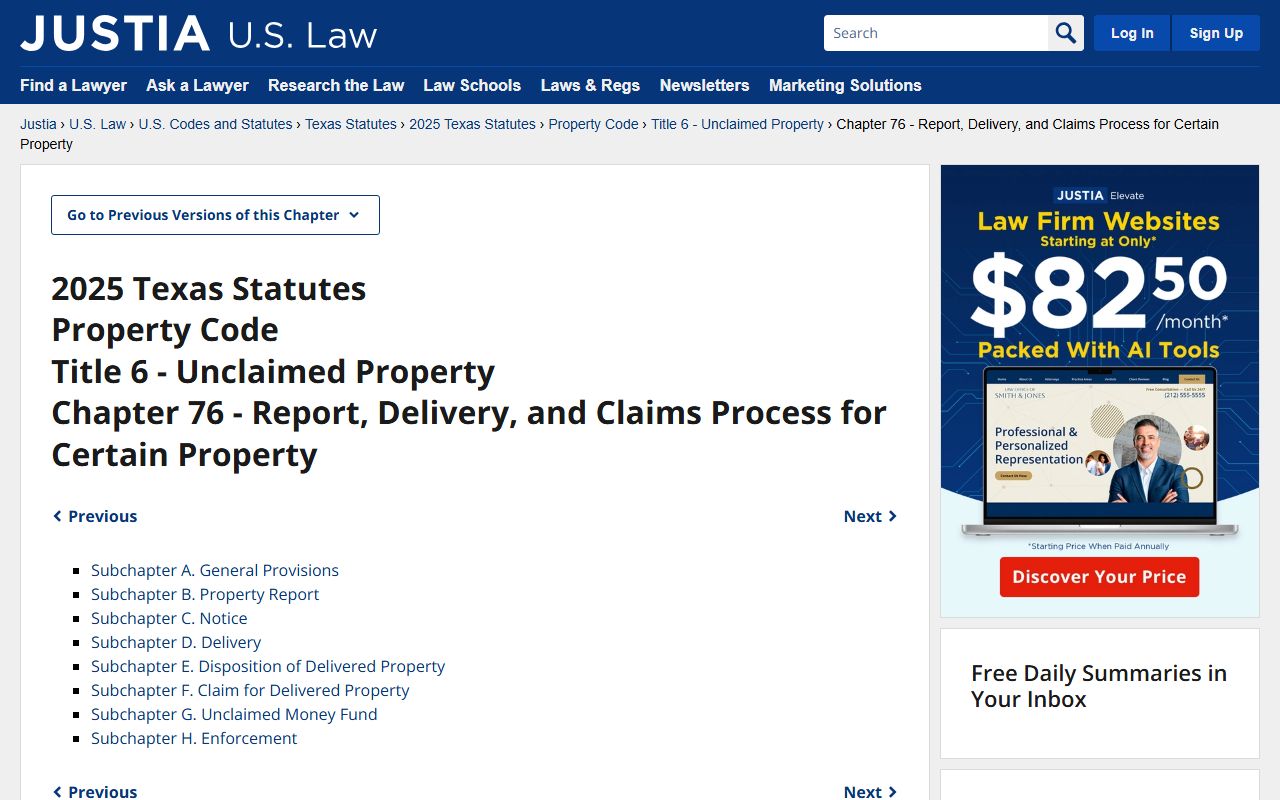
Understanding the dormancy periods and reporting timelines helps you know when property is eligible for the state program and what to expect in the search results.
Note: Texas caps third-party locator fees at 10% of the recovered amount. You can always search and claim directly for free at ClaimItTexas.gov.
Common Property Types in Blanco County
Dormant bank accounts at Hill Country banks are the most frequent source of unclaimed property in Blanco County. Residents who opened accounts at local institutions and then switched to banks in Austin or San Antonio sometimes leave behind old account balances. Certificates of deposit that expired without renewal are another steady source. Credit unions serving rural electric co-op members also occasionally report unclaimed balances.
Utility deposits are significant in a county that has seen population growth and turnover. Electric and water utility refunds that could not reach a prior address enter the state program after the dormancy period. Former renters and property owners who moved without collecting refunds should search under their names and former Blanco County addresses.
Under Texas Property Code § 72.1015, wages go presumed abandoned after one year. Former Blanco County workers who did not collect a final paycheck should check the state system. Insurance proceeds and refund checks round out the common types. Mineral royalties in Blanco County are limited, but the Texas Railroad Commission at rrc.texas.gov has records for any leases tied to land in the county.
How to File Your Blanco County Claim
Go to ClaimItTexas.gov to file. Select the property from your results and follow the steps. You will receive a Claim ID for tracking. Most claims take 90 days or less. Filing is free.
You need to prove your identity and your right to the property. Small claims under $100 typically need a photo ID and proof of current address. Larger claims need additional documentation. Review the documentation requirements page before uploading to avoid delays. Estate or heir claims may need an Affidavit of Heirship or probate documents. For help, call 800-321-2274 or email unclaimed.property@cpa.texas.gov.
Check the status of your claim at any time using the claim status tool. The FAQ page covers common questions. National searches for other states are available at unclaimed.org and MissingMoney.com. A full Texas property listing is downloadable at data.texas.gov.
Nearby Counties
The state program handles all Texas counties. Search neighboring areas if you have financial ties there.