
Comal County Unclaimed Money
Comal County is one of the fastest-growing counties in the country, and that rapid population growth brings a significant amount of unclaimed money into the Texas state program each year. New Braunfels residents and others throughout the county may have unclaimed funds from prior addresses in San Antonio, Austin, or other states. The Texas Comptroller holds all of it at no cost to the owner. Search for free at ClaimItTexas.gov and file a claim at no cost if you find a match.
Comal County Overview
Searching Comal County Unclaimed Property
The Texas Comptroller's ClaimItTexas.gov portal covers all property reported from Comal County businesses and institutions. Enter a name and the system searches the full statewide database. No registration is needed. The search is free. You can search your own name, a business entity, or a deceased family member.
Under Texas Property Code § 72.101, property with no owner activity for three years is presumed abandoned and must be transferred to the Comptroller. Comal County's rapid growth means a high volume of job changes, relocations, and new residents who may have unclaimed property at prior addresses. The state holds everything indefinitely with no deadline to claim.

Results show the property type, approximate value, and the reporting company. You can start a claim from the results page or call 800-321-2274 for help with any step.
New Residents and Prior-Address Property
New Braunfels is consistently ranked among the fastest-growing cities in the United States. Many of the residents moving here come from San Antonio, Austin, or other Texas cities, and some have come from other states entirely. Any property left behind at a prior address stays in the state program for that location. If you moved from San Antonio to New Braunfels without updating your address with a former bank or employer, unclaimed funds may be sitting in the Texas program under your San Antonio address.
The same logic applies to people moving from other states. A Texas resident who previously lived in Colorado, California, or any other state may have unclaimed property in those states' programs. Searching ClaimItTexas.gov covers Texas, but former residents of other states should also search the national databases listed at the bottom of this page. Comal County's growth rate means this situation applies to a large share of current residents.
The Comal County Clerk in New Braunfels maintains deed records, land filings, and other official instruments for the county. Contact the county at 830-221-1230. The county website at co.comal.tx.us has contact information for all county offices.
Comal County Local Resources
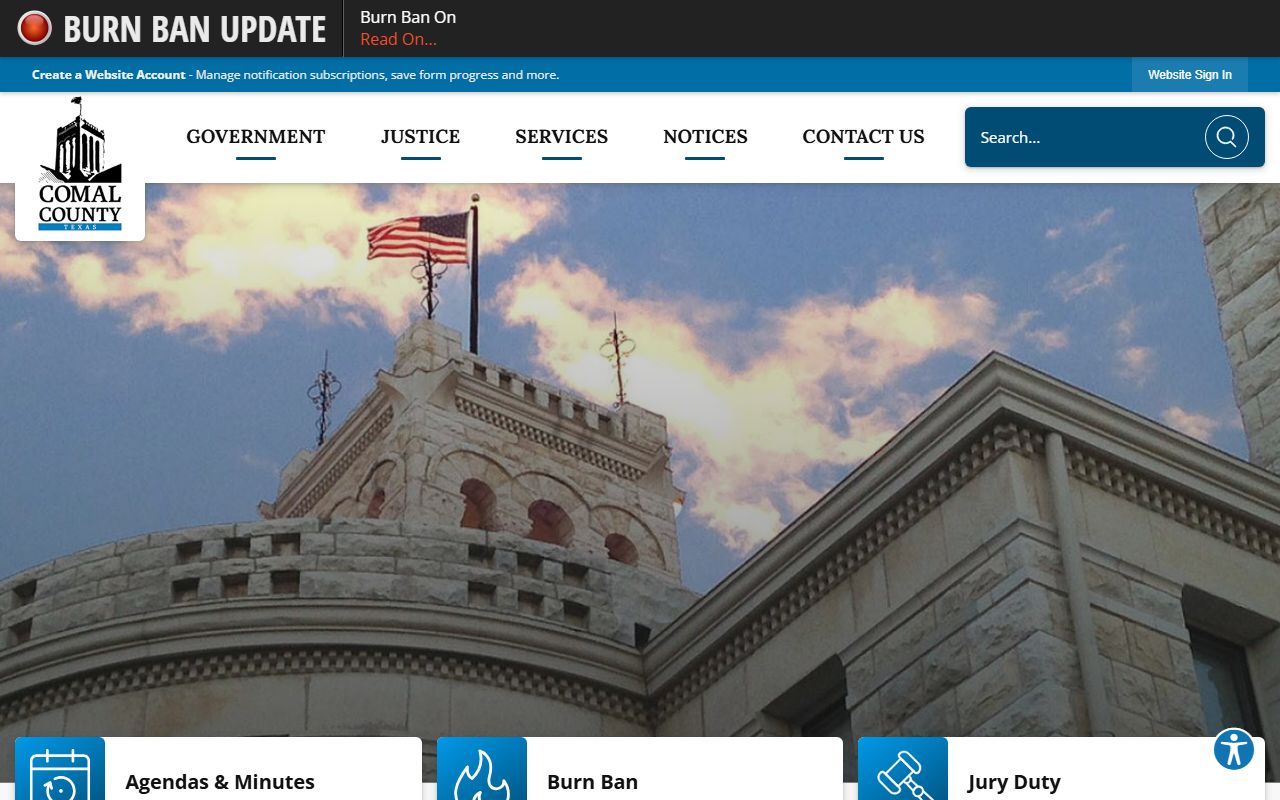
The Comal County Courthouse in New Braunfels is home to the clerk's office and other county departments. Staff there can help with deed records, probate filings, and other documents useful when tracing ownership of property that may have generated unclaimed funds.
Note: Under Texas Property Code § 76.201, Comal County may hold unclaimed property valued at $100 or less separately from the state program. Contact the county treasurer for information on any locally held funds.
Common Property Types Found in Comal County
Dormant bank accounts, uncashed payroll checks, utility deposits, and insurance proceeds are the most common categories statewide. In Comal County, the frequency of job changes and relocations tied to the area's growth creates a steady flow of uncashed final paychecks and dormant accounts. Under Texas Property Code § 72.1015, wages are presumed abandoned after just one year without activity. That is faster than the standard three-year rule for most other property.
Insurance proceeds from life policies taken out before a move are another common source. When a family relocates and does not update a beneficiary's address with the insurance company, the insurer cannot deliver the proceeds and eventually reports them to the state. If you moved to New Braunfels from San Antonio or elsewhere, check the program under your prior name and address if applicable.
Safe deposit box contents, stock dividends, and court-deposited funds also appear in the program. A $0 value listing means the Comptroller holds a physical item. You have full rights to claim it. The alternative databases page on ClaimItTexas.gov lists separate programs for pension benefits, savings bonds, and IRS refunds.
How to File a Claim
Filing is free. Go to ClaimItTexas.gov, find your match, select the property, and follow the prompts. A Claim ID is issued for tracking. Most claims are resolved in about 90 days.
You need proof of identity and proof of your connection to the property. Small claims typically need a photo ID and proof of current address. Larger or inherited claims may need more. Review the documentation requirements page before uploading. Submitting the wrong documents is the most common cause of delays.
For inherited property, an Affidavit of Heirship or probate documents may be required. Call 800-321-2274 or email unclaimed.property@cpa.texas.gov for guidance. Track your claim with the claim status tool or check the FAQ page for common questions.
Note: Texas limits locator fees to 10% of the recovered value. Claiming directly is always free.
Search Multiple States
Given how many Comal County residents moved here from other states, a multi-state search is especially worthwhile. The free national search at unclaimed.org covers multiple states at once. MissingMoney.com is another free multi-state option. For a downloadable version of all Texas unclaimed property, visit data.texas.gov.
Cities in Comal County
New Braunfels is the largest city in Comal County and has its own unclaimed money page.
Nearby Counties
All Texas claims go through the state program. Search any neighboring county where you have property or family connections.