
Duval County Unclaimed Funds
Duval County residents may have unclaimed money in the Texas state program they have never searched for. The Texas Comptroller holds funds from banks, oil and gas companies, insurance carriers, and employers across the county that could not locate the rightful owner. San Diego, Freer, Benavides, and every other Duval County community fall under the same statewide process. This guide explains where to search for Duval County unclaimed property, what types of funds are most common in this South Texas border region, and how to file a free claim through ClaimItTexas.gov.
Duval County Overview
Duval County Unclaimed Property Search
The Texas Comptroller's free search portal at ClaimItTexas.gov is the right place to start searching for Duval County unclaimed money. Enter a name and the system returns all matching property on file. No account or login is needed. You can search individuals, businesses, or deceased relatives. Results show property type, the company that reported it, and the approximate value.
Under Texas Property Code § 72.101, most property is presumed abandoned after three years without owner activity. The holder then reports and transfers the funds to the state. Wages go faster. Under § 72.1015, uncashed payroll goes to the Comptroller after just one year. Duval County's oil field and agricultural workforce sees enough turnover that uncashed payroll claims appear regularly in the state program.
Mineral royalties are a particularly important search for Duval County residents. The county has significant oil and gas history, and royalty checks that could not be delivered to the rightful owner end up in the state program after three years.
The ClaimItTexas portal is the official Texas Comptroller search tool for finding Duval County unclaimed property.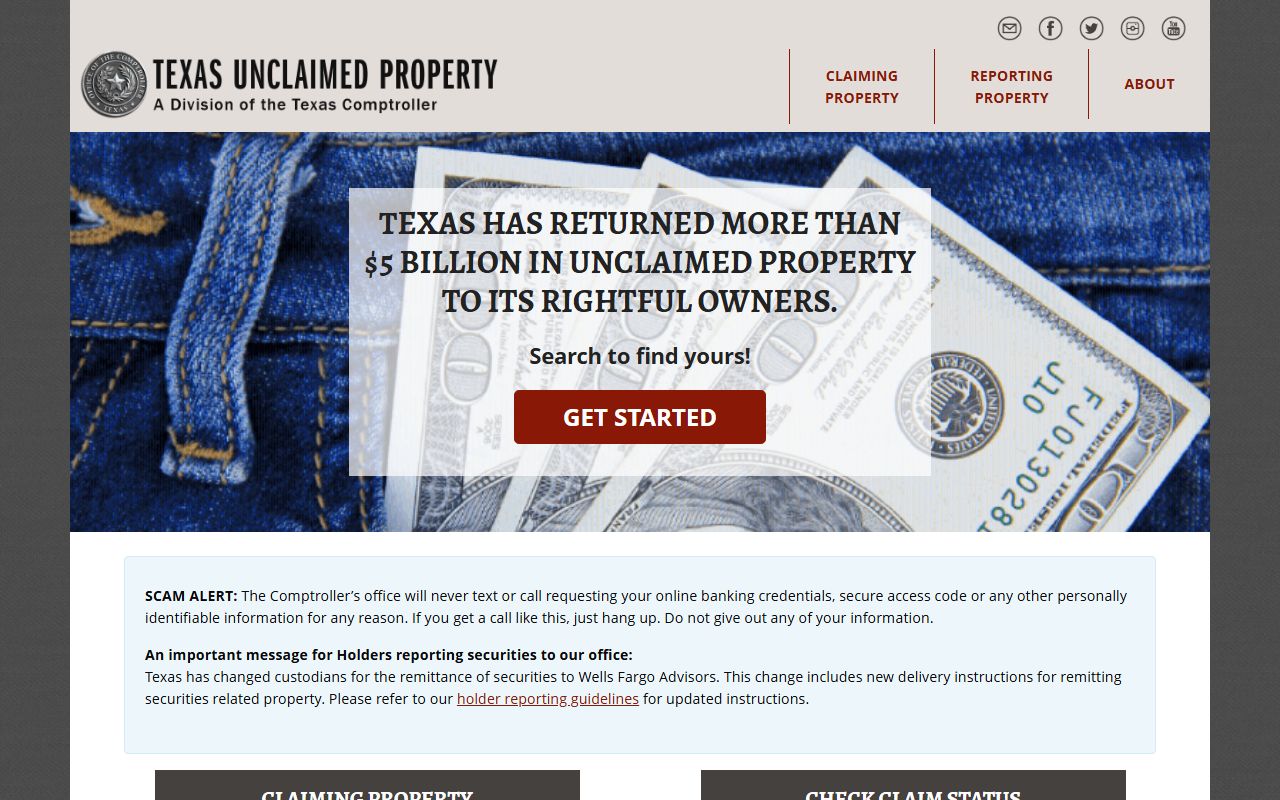
Once you find a match, you can start a claim on the site or call 800-321-2274 for help from the Unclaimed Property Division.
Duval County Local Resources
The Duval County Clerk in San Diego handles official county records including deed filings, mineral lease instruments, and other property documents. If you are tracing land or mineral rights as part of an estate or unclaimed royalty search, the clerk's office is the starting point. Call 361-279-3322 or visit co.duval.tx.us.
Duval County has a long history of oil and gas production. The Texas Railroad Commission at rrc.texas.gov maintains well and lease records for every oil and gas operation in the county. If a family member owned mineral rights in the San Diego, Freer, or Benavides areas, RRC records can help identify the operators and the leases in question. That information makes it easier to match royalty payments to the right company names when searching the Comptroller's database.
The official Duval County website provides contact information for the county clerk and other departments that handle local records.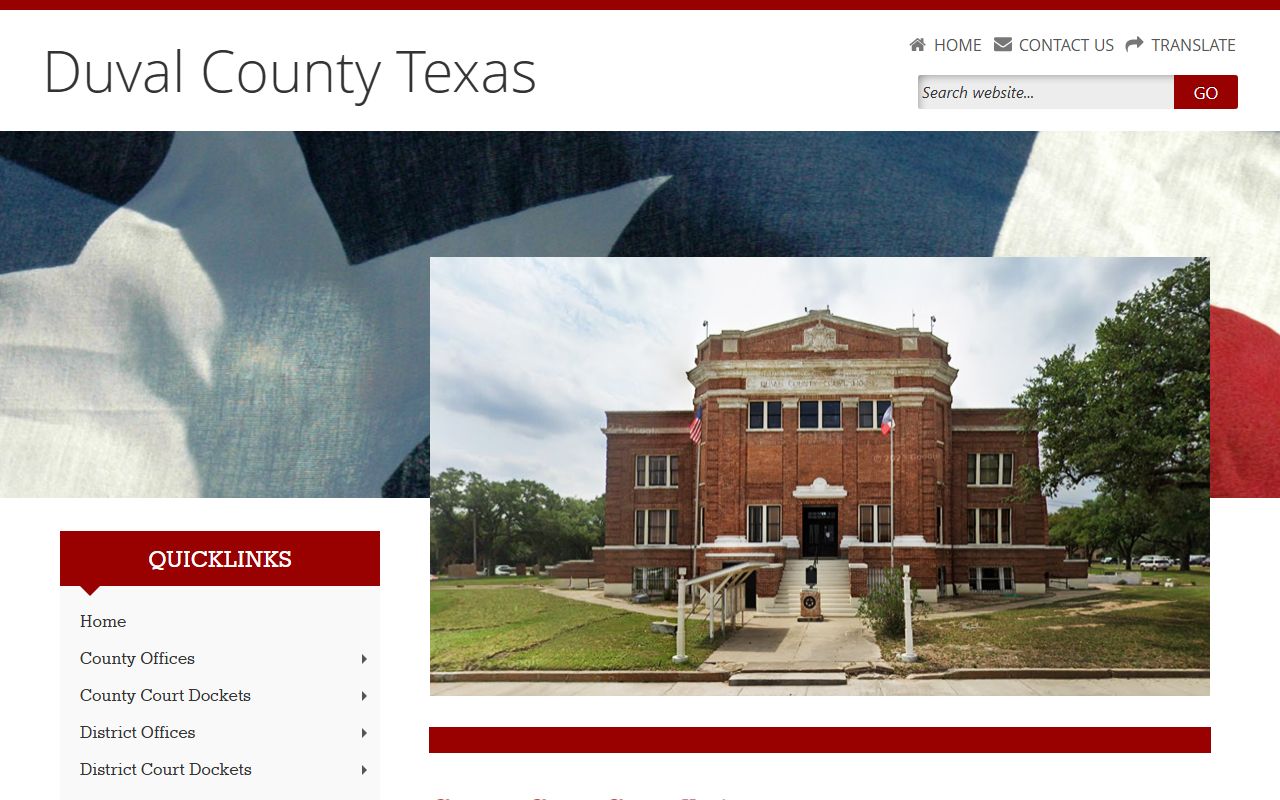
The courthouse in San Diego is where mineral and property records are filed, and those documents can help trace an ownership history tied to potential unclaimed royalties.
Note: Under Texas Property Code § 76.201, Duval County may hold small unclaimed amounts of $100 or less separately from the state. Contact the county treasurer if you want to ask about any locally held funds.
Types of Unclaimed Property in Duval County
Mineral royalties are one of the most valuable categories for Duval County residents to check. Producers operating in the county send royalty checks to the last known address of the mineral rights owner. When those checks go undelivered, the amounts accumulate and eventually transfer to the state program. If a grandparent or parent owned mineral interests in the area and passed away without those interests being formally transferred, years of royalties may be sitting with the Comptroller.
Dormant bank accounts are the highest-volume unclaimed property type statewide. In Duval County, accounts at local banks and credit unions that go inactive for three years end up in the state program. This is common when residents move away to larger South Texas cities or other states for work. Even small balances are included and can be claimed for free.
Payroll checks from oil field service companies and agricultural employers are another relevant category. Workers in these industries sometimes leave jobs without collecting final checks, particularly when employment ends quickly. Under § 72.1015, those wages reach the state after just one year. If you or a family member worked in Duval County in oil and gas or agriculture and did not receive a final check, search the database.
Life insurance proceeds and utility deposits round out the common types. For property not in the main program, the alternative databases page on ClaimItTexas.gov points to pension benefits, IRS refunds, savings bonds, and Teacher Retirement System funds at separate agencies.
Claiming Duval County Unclaimed Money
The claim is free. Go to ClaimItTexas.gov, search your name, select the property, and follow the steps. A Claim ID is issued for tracking. Most claims finish within 90 days.
You need to show who you are and that you have the right to the property. Claims under $100 need just a photo ID and proof of address. Larger claims need more based on property type. The documentation page shows what is needed by category. Check it before uploading. Heir claims require an Affidavit of Heirship or court documents. Call 800-321-2274 or email unclaimed.property@cpa.texas.gov with questions. Track your case at the status page. Texas caps locator fees at 10%, and you can always file for free.
National Unclaimed Property Search
If your family ever lived in other states, check those programs as well. The free national tool at unclaimed.org queries multiple state databases at once. MissingMoney.com also searches many states for free. The Texas open data portal at data.texas.gov has a downloadable version of all Texas unclaimed property records for offline research.
Nearby Counties
All Texas residents search through the same state program. If you have ties to Duval County's neighbors, search those areas too.