
Houston Unclaimed Money Search
Houston is the largest city in Texas, which means the volume of unclaimed money tied to Houston addresses is enormous. Banks, insurance carriers, health systems, employers, utilities, and government bodies all report funds they can no longer deliver. The Texas Comptroller holds all of it through ClaimItTexas.gov, and residents can search and file a claim at no cost. This guide covers how the Houston search works, which local institutions are the biggest sources, and what you need to do to get your money back.
Houston Overview
Searching Houston Unclaimed Funds
The Texas Comptroller runs the official Houston unclaimed money database through ClaimItTexas.gov. You enter a name and the system searches all property reported by holders across the state, including the many thousands of businesses based in Houston. The search is free. No account is needed to see results. You can search your own name, a business name you owned or worked for, or the name of a deceased relative whose estate you are handling.
The City of Houston Finance Department at houstontx.gov/finance also holds some funds separately from the state program. These are typically vendor overpayments, refunds, and small account balances that the city collected but could not return. If you have done business with the city or have an uncashed refund check from a city department, the Finance Department is worth contacting directly. The state program and the city program run independently, so you should check both. Under Texas Property Code § 72.101, most property is presumed abandoned after three years without owner contact. Wages and payroll checks go dormant after just one year under § 72.1015. Given Houston's size and the sheer number of employers here, payroll-related unclaimed funds are especially common in the state database.
The City of Houston Finance page is the starting point for city-held funds not yet transferred to the state.
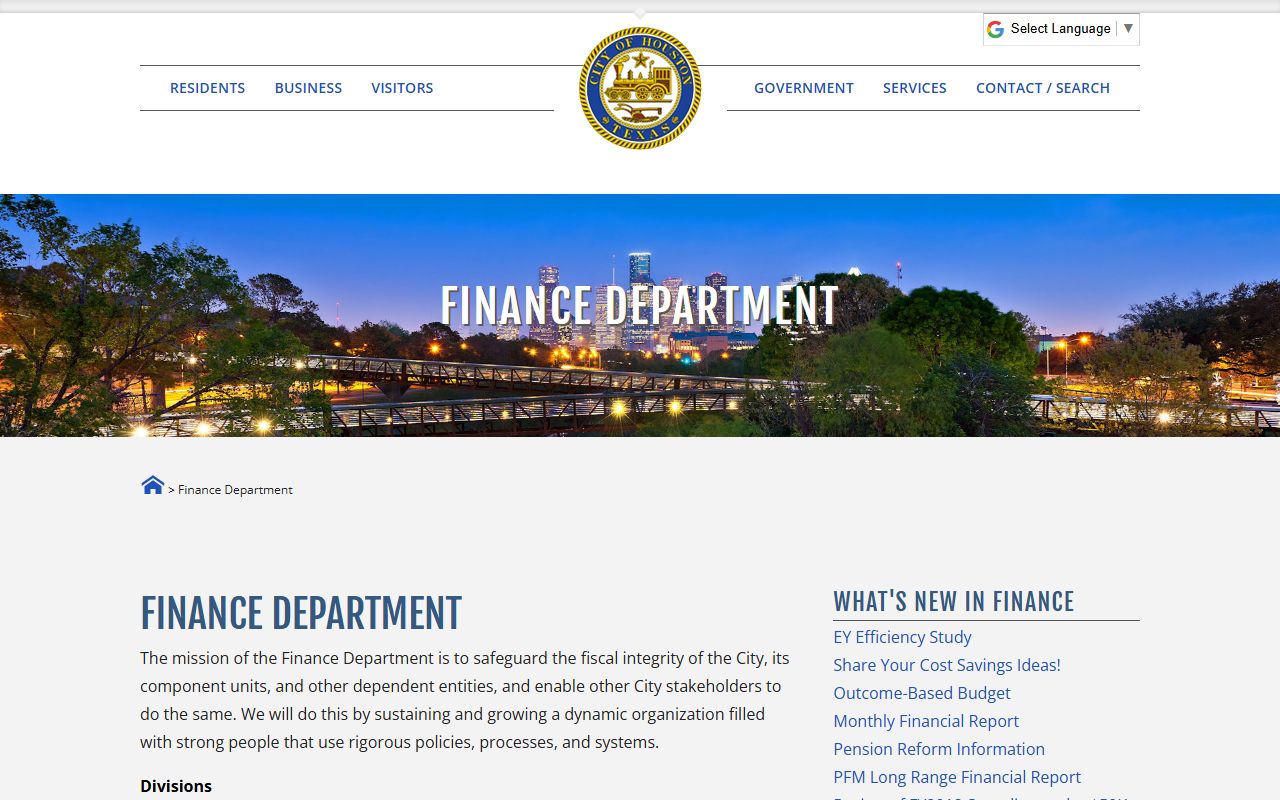
The Finance Department page has instructions for checking and claiming city-held balances that have not yet moved to the Comptroller's program.
Houston is also part of Harris County, and many residents have funds reported by county agencies rather than city departments. The Harris County Treasurer at treasurer.harriscountytx.gov maintains records on county-held court registry funds, refunds, and other balances. Checking the county treasurer is a smart additional step for anyone who has had dealings with county government.
Houston Local Resources
Houston has more institutional sources of unclaimed money than almost any other Texas city. The size of the local economy and the number of major employers means there are many paths by which funds end up unclaimed. The Harris County Treasurer at treasurer.harriscountytx.gov is one key local stop. The Treasurer holds court registry funds, overpayments, and other amounts that flow through county government operations. These do not always appear in the state ClaimItTexas database right away, so contacting the Treasurer directly is sometimes necessary.
Major Houston institutions that regularly report unclaimed property include the University of Houston, Houston Community College, Houston ISD, Memorial Hermann Health System, Houston Methodist Hospital, and the Port of Houston Authority. If you or a family member ever worked for, enrolled at, or received payments from any of these organizations, it is worth running a name search under any name they would have used at the time. Healthcare systems in particular generate a large volume of unclaimed patient refunds, insurance overpayments, and account credit balances. These are reported to the state after the dormancy window closes. Houston Methodist and Memorial Hermann alone serve hundreds of thousands of patients each year, which means the number of undelivered refund checks is substantial.
The Harris County Treasurer page shows what county-level funds are held and how to inquire about them directly.
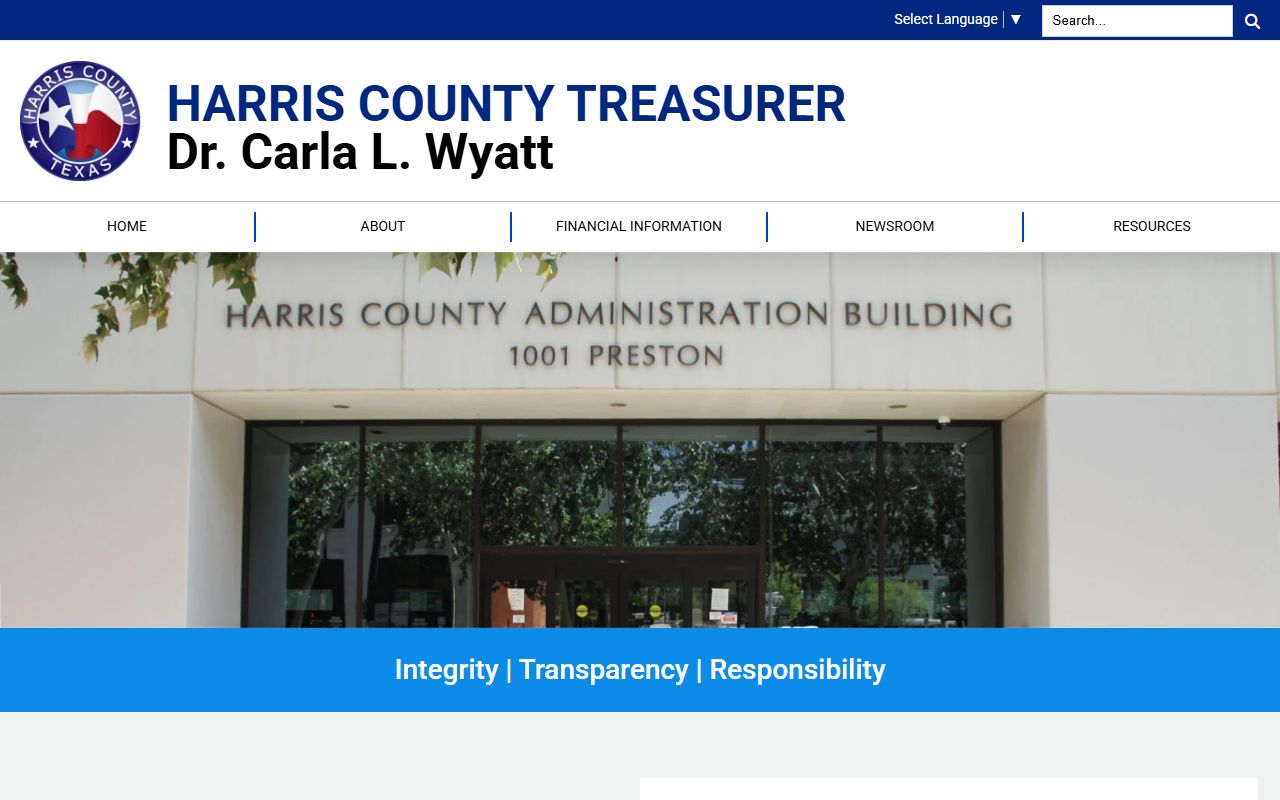
County-held funds are separate from what the Comptroller holds, so checking both gives you the most complete picture.
Note: Houston's diverse population means many names appear in multiple forms. Search with and without a middle initial, try maiden names, and look for any business names you may have operated. Variations in name spelling are one of the main reasons people miss funds that are theirs.
Types of Unclaimed Property in Houston
Houston's economy generates a wide range of unclaimed property types. Dormant bank accounts and uncashed checks are the most common everywhere, but Houston also has high volumes of insurance policy proceeds, utility deposits, and healthcare refunds. The energy sector headquartered here means mineral royalties and oil and gas payments also show up regularly. If your family owns or once owned land with mineral interests anywhere in Texas, a royalty check mailed to a Houston address may be sitting in the state database right now.
Stock shares, brokerage accounts, and mutual fund balances are another major category. Houston has a large financial services sector, and many residents have brokerage accounts from past jobs or old investments that went dormant. When a brokerage cannot reach an account holder after three years, those assets go to the Comptroller. The state holds shares as shares when possible and may sell them later if the property is unclaimed for a long time. You can still claim the equivalent value even after a sale.
Safe deposit box contents are also held by the Comptroller after a bank drills a box that has gone dormant. A $0 value on a listing does not mean the item has no worth. It means the state holds a physical object rather than cash, and your right to claim it is the same.
The alternative databases page on ClaimItTexas.gov lists property types handled by other agencies, such as pension funds, savings bonds, and Teacher Retirement System balances. Houston residents who have worked in public education should check TRS separately in addition to the main state search.
Filing a Houston Unclaimed Money Claim
Claiming Houston unclaimed money starts at ClaimItTexas.gov. Find the property in the search results, select it, and follow the steps on screen. The system creates a Claim ID you can use to track your case from start to finish. Most standard claims resolve in about 90 days. There is no filing fee, and you do not need an attorney for most claims.
The documents you need depend on property type and value. For small claims, a government-issued photo ID and proof of your current address are usually enough. Larger claims ask for more supporting documents. The documentation requirements page lists exactly what each property type needs before you upload anything. Submitting the wrong documents is one of the most common reasons claims sit longer than expected. Review that page before you start uploading files.
If you are claiming on behalf of someone who has died, you will need to show your legal right to the funds. That might mean an Affidavit of Heirship, a court-issued Determination of Heirship, or full probate documents depending on the estate size and property type. The Comptroller's office at 800-321-2274 or unclaimed.property@cpa.texas.gov handles these situations regularly and can walk you through the exact documents for your case. Houston residents dealing with large estates or mineral interest inheritances often benefit from calling before filing to make sure they have everything.
Once you file, track your claim through the claim status search tool. No need to call unless something unexpected happens. The FAQ page covers common questions about stock shares, $0 value listings, and property types with multiple owners.
Note: Texas law caps what a third-party locator can charge at 10% of the recovered amount. You can always file directly for free, so there is no need to pay more than that even if a locator found your name for you.
National Databases for Houston Residents
If you have lived outside of Texas before moving to Houston, you may have unclaimed funds in other states. Property stays with the state where the holder last had your address on file, not where you live now. The free national search at unclaimed.org, run by the National Association of Unclaimed Property Administrators, lets you search many state programs at once with a single name entry.
MissingMoney.com is another free tool that covers multiple participating states. Both sites are legitimate and charge nothing to search. Houston residents who have worked in other states, attended college elsewhere, or held bank accounts in other cities should run searches on both national tools in addition to the Texas-specific search. The Texas data portal at data.texas.gov also offers a downloadable version of the full Texas unclaimed property listing that you can filter and browse at your own pace.
The Comptroller portal covers all property reported in Texas. But for a complete picture of everything you might be owed across your work and residential history, the national tools add real value.
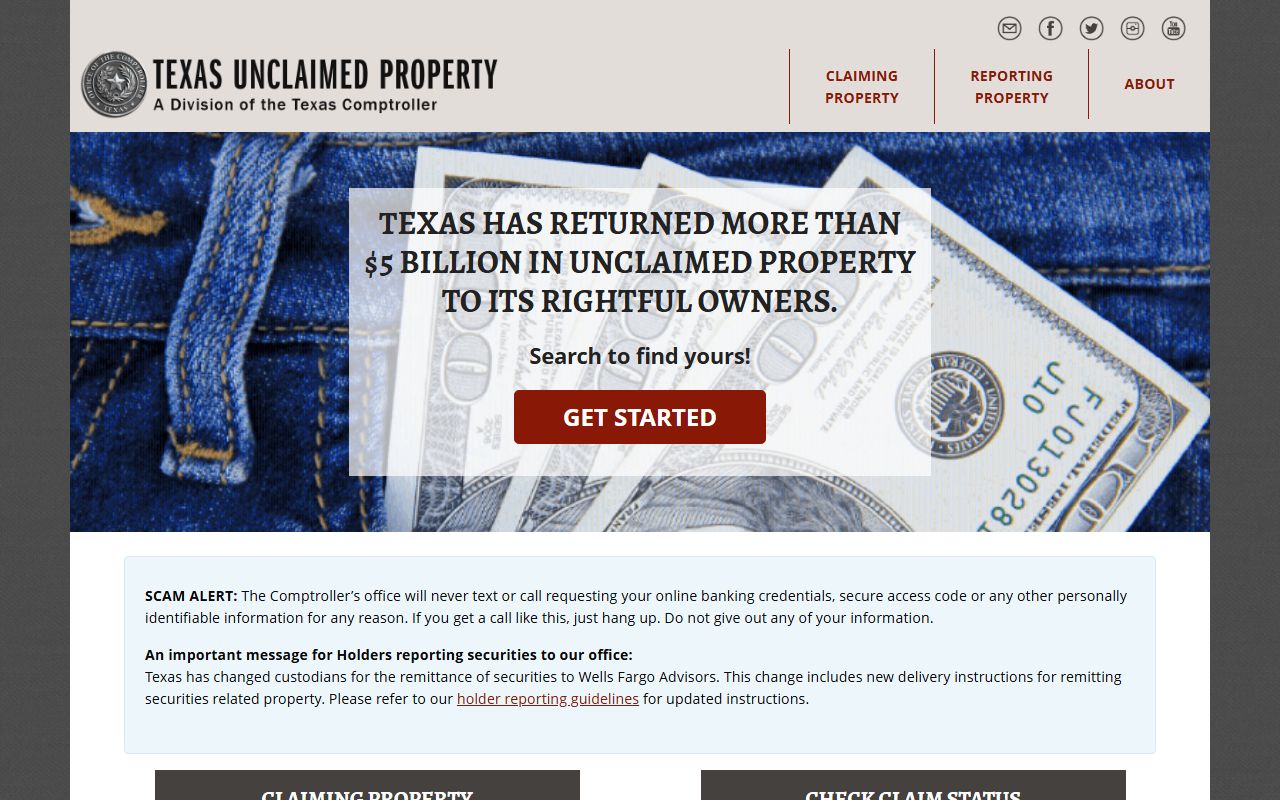
The Comptroller's ClaimItTexas portal is the official source for all Texas-reported unclaimed funds, including the large volume that originates from Houston's employers, banks, and healthcare systems.
Nearby Cities
Unclaimed property is tracked by the address on file when it was reported. If you have ties to nearby Houston-area cities, those searches are worth running too.