
Find Unclaimed Money in Dallas
Dallas is one of the largest cities in the country, and the amount of unclaimed money tied to Dallas names and addresses is significant. Banks, brokerage firms, insurance companies, employers, hospitals, and government bodies all report property they cannot deliver. The Texas Comptroller holds all of it through ClaimItTexas.gov. Searching costs nothing and no account is needed. This page covers the local Dallas sources, the most common property types, and how to get your money back through the official process.
Dallas Overview
Dallas Unclaimed Property Search
The main tool for any Dallas unclaimed money search is ClaimItTexas.gov, run by the Texas Comptroller of Public Accounts. Enter a name and the database returns any matching property reported by Dallas-area holders. Results include the property type, the reporting company, and the approximate value. You do not need to register or pay to see the results or start a claim.
The City of Dallas Finance Department at dallascityhall.com/departments/finance is another place to check for funds held at the city level. The city collects vendor overpayments, bid deposits, and other balances that sometimes sit unclaimed before they are transferred to the state. If you have ever done business with the city, that page is worth visiting. The Finance Department can tell you whether they hold anything in your name before it has been reported to the Comptroller.
Under Texas Property Code § 72.101, most property becomes presumed abandoned after three years. Payroll and wages go dormant after just one year under § 72.1015. Dallas has tens of thousands of employers, and payroll-related unclaimed funds are among the most common items in the state database for the area.
Dallas is in Dallas County, which also has its own resources for county-held property. The county clerk and treasurer may hold court deposits, refunds, and other balances separately from what is in the state program.
Highland Park, an independent municipality within Dallas, even has its own open government page at hptx.org/330/Open-Government with information on locally held unclaimed amounts.
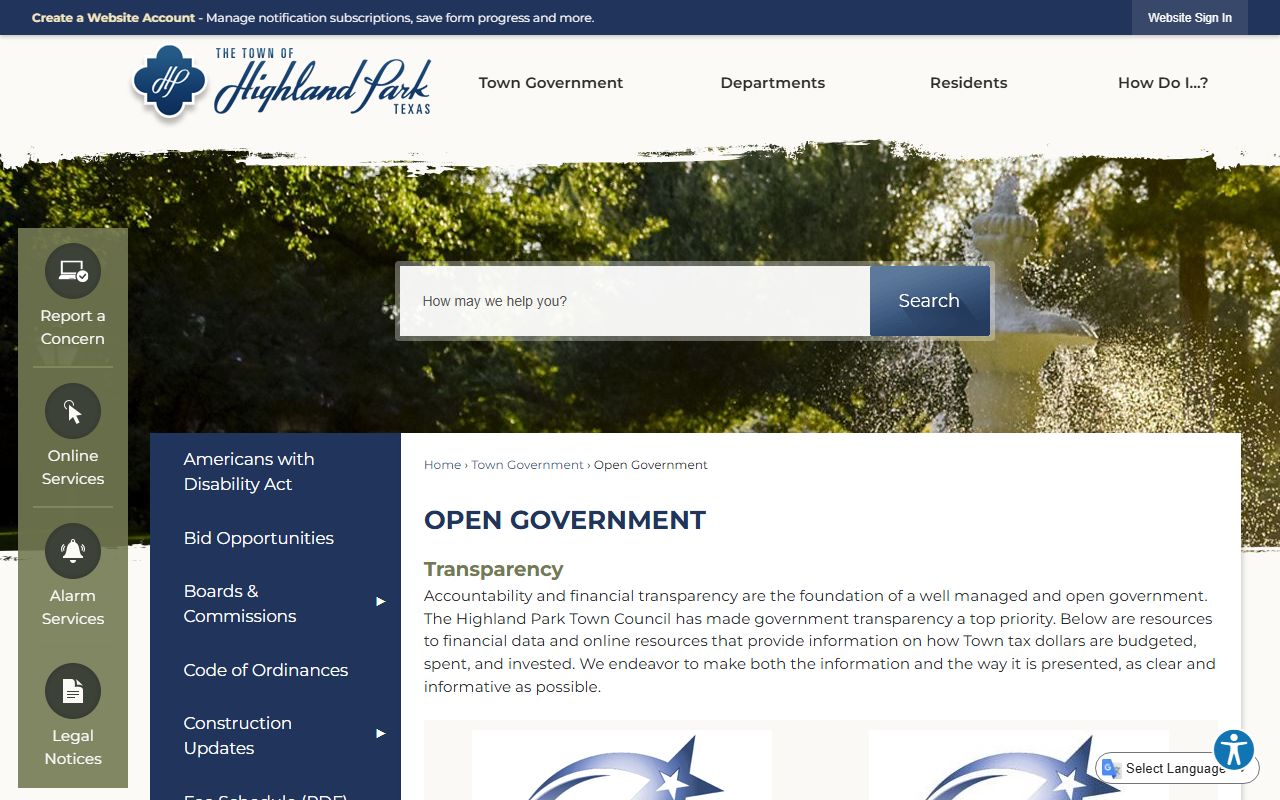
Independent municipalities like Highland Park within the Dallas area may hold their own local unclaimed property before it transfers to the state.
Dallas Local Resources
Dallas has an unusually large number of institutional sources for unclaimed property. Dallas ISD employs thousands of people across hundreds of schools. Payroll errors, final paychecks not picked up, and employee benefit balances all end up in the state program when they cannot be delivered. If you ever worked for DISD, run your name through ClaimItTexas even if it has only been a year or two since you left.
The University of Texas at Dallas and Southern Methodist University are both significant sources of student refunds, financial aid overpayments, and employee payroll items. Students who transferred, withdrew, or graduated without updating their mailing address may have refund checks sitting unclaimed. Former employees of either institution should check the same database. Parkland Health, one of the largest public hospitals in Texas, generates a high volume of patient account credits and insurance overpayments that end up unclaimed each year.
Dallas Area Rapid Transit and DFW International Airport are also major employers that regularly report unclaimed wages and benefit balances. DFW is one of the busiest airports in the world and employs thousands of people through both the airport authority and its many contracted vendors. If you worked there in any capacity, a search is worthwhile.
Note: Dallas residents should search under every name they have used, including maiden names, business names, and any name used on prior employer records. Variations in name spelling are one of the most common reasons people miss funds that are theirs.
Types of Unclaimed Property in Dallas
The most common types of unclaimed property in Dallas are dormant bank accounts, uncashed payroll checks, insurance policy proceeds, and utility deposits. The city's large financial services sector means brokerage accounts, stock certificates, and mutual fund shares also appear frequently. When an account holder cannot be reached after three years, those assets go to the Comptroller. The state holds shares as shares when possible, so the value of what you can claim may have changed from what is shown in the listing.
Insurance-related funds are especially common in a city of Dallas's size. Life insurance proceeds, annuity payments, and group benefit plan balances often go unclaimed when a beneficiary does not know the policy exists or when the insurance company cannot locate them. If you recently lost a family member, running a search under their name may turn up life insurance proceeds that were never paid out.
Court deposits and trust account balances are another category. When a court case ends without all funds being distributed, the clerk deposits the balance into a registry that eventually transfers to the state. Dallas courts handle thousands of civil cases each year, and unclaimed court deposits are a small but real part of the state's unclaimed property holdings.
Safe deposit box contents, retirement plan balances, and tax refunds sent to wrong addresses also show up. The alternative databases page on ClaimItTexas.gov is the right place to look for property types that go to agencies other than the Comptroller, including pension funds and federal savings bonds.
Filing a Dallas Unclaimed Money Claim
Claiming your Dallas unclaimed money is free. The process starts at ClaimItTexas.gov. Select the property in your search results, follow the prompts, and receive a Claim ID to track your case. Most claims resolve in 90 days.
The documents required vary by property type and value. Small claims typically need a photo ID and proof of your current address. Larger or more complex claims may require additional records such as employer documentation, insurance policy numbers, or bank account statements. Always check the documentation requirements page before you upload anything. Sending the wrong documents is a frequent cause of delays and back-and-forth that extends the processing time.
For claims on behalf of a deceased person, you need to establish your legal right to the property. An Affidavit of Heirship works for small estates. Larger or more complex estates may need probate documents or a court-issued Determination of Heirship. The Comptroller's office at 800-321-2274 or unclaimed.property@cpa.texas.gov can tell you exactly what your situation requires before you file. Dallas residents dealing with large business estates or inherited stock certificates should call before starting the online process.
After filing, use the claim status search tool to check your progress. The FAQ page addresses the most common questions about property types, $0 value listings, and what happens when a claim involves multiple heirs.
National Resources for Dallas Residents
If you have lived in other states, there may be unclaimed property outside of Texas. The free national search at unclaimed.org covers multiple state databases at once and is run by the National Association of Unclaimed Property Administrators. MissingMoney.com covers many of the same states and is also free to use.
Dallas attracts workers from across the country. If you moved here from another state and had bank accounts, employers, or insurance policies there, your property may still be in that state's unclaimed program. Run national searches for every state where you have lived or worked. The Texas data portal at data.texas.gov also has a downloadable Texas unclaimed property listing for users who prefer to search offline or filter by specific criteria.
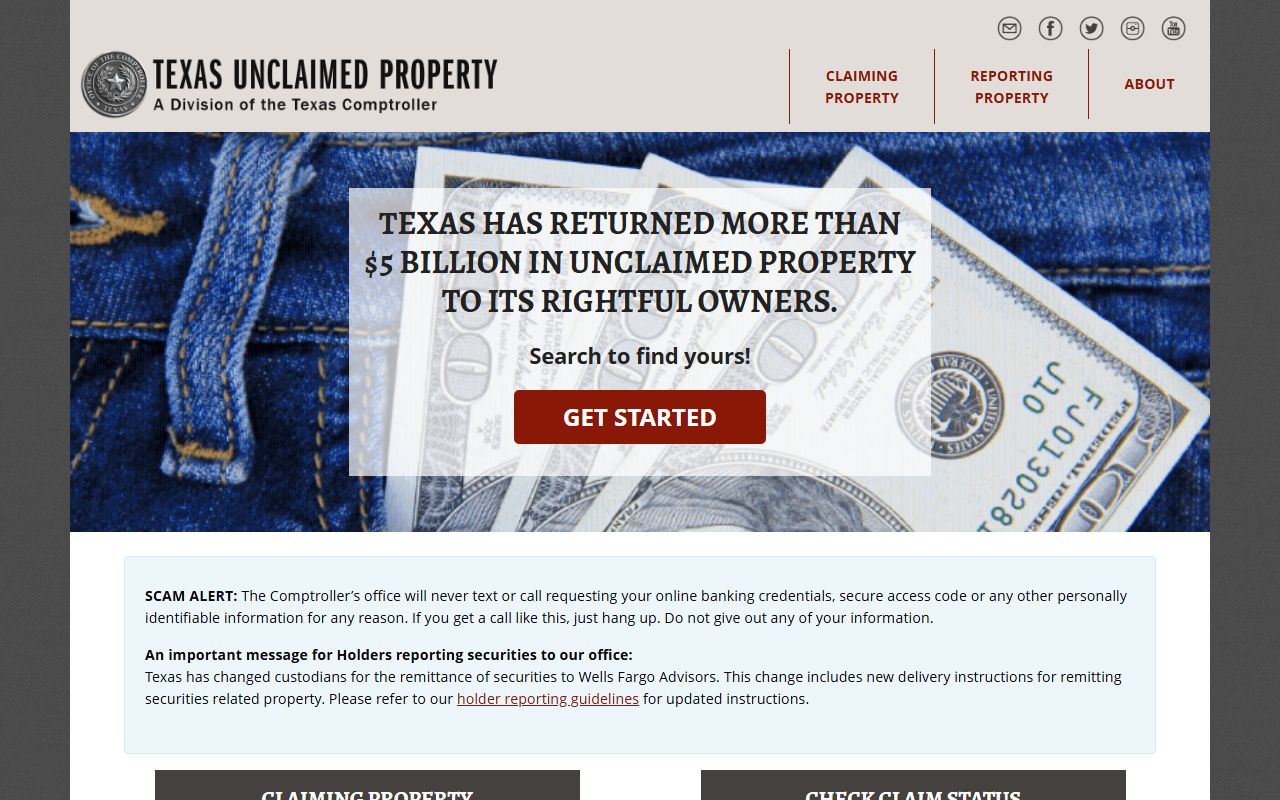
The ClaimItTexas portal is the authoritative source for all Texas unclaimed property, including the substantial volume that comes from Dallas-area employers and financial institutions.
Nearby Cities
Dallas is at the center of a large metro area. If you have lived or worked in any of these nearby cities, those searches are worth running too.